
Rising employment costs are putting UK small businesses under serious pressure. With higher National Insurance contributions, minimum wage increases, and inflation affecting every area of operation, many employers are asking the same question: how do we reward staff when the budget says no?
According to PS Human Resources (2025), rising employment costs are among the top three challenges for SMEs this year, with payroll now making up more than half of operating expenses for many.
If that sounds familiar, you’re not alone. But here’s the good news: rewarding staff doesn’t always require a pay rise.
Why Reward Still Matters (Even When Money’s Tight)
When budgets are stretched, it’s tempting to put pay reviews and bonuses on hold. However, research consistently shows that recognition is one of the most powerful tools for employee engagement.
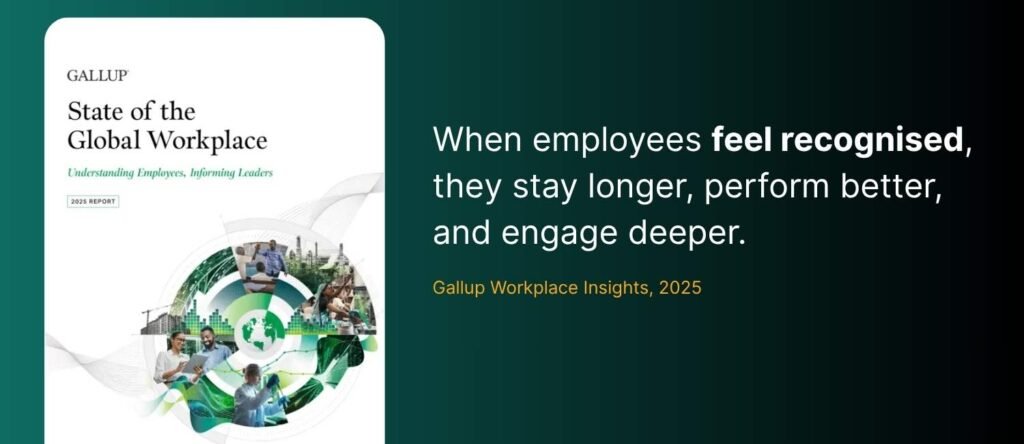
A 2025 Gallup study found that employees who feel recognised are 4.6 times more likely to be engaged and 27% less likely to leave.
For small businesses, where every person counts, keeping people motivated and appreciated can directly influence productivity and profit.
Reward doesn’t have to mean financial incentives; it’s about recognition, growth, and trust.
1. Recognise Effort Publicly
Simple appreciation can have a huge impact on morale. Try these no-cost recognition ideas:
- Highlight great work in team meetings or internal newsletters.
- Post “employee spotlight” features on LinkedIn or your website.
- Send personal thank-you messages from leadership.
Creating a culture of appreciation builds loyalty, boosts engagement, and costs nothing.
2. Offer Flexibility as a Reward
Flexibility is now one of the most valued workplace benefits in the UK. When salary increases aren’t possible, small gestures like flexible working hours or hybrid
options go a long way.
Examples include:
- Early finishes on Fridays.
- Remote work options.
- Compressed workweeks or adjusted start times.
These perks show employees they’re trusted and respected, two key drivers of retention.
3. Invest in Learning and Development
Upskilling staff is one of the smartest ways to reward employees on a budget. It boosts their confidence, career prospects, and your company’s capability without large expenses.
Platforms like HR Hub Plus Limited’s Online Training give SMEs access to 150+ accredited HR and compliance courses at affordable rates.
This investment signals commitment to your people’s growth while supporting business development.
4. Stay Transparent
Honesty builds trust. If you can’t increase pay right now, explain the reasons clearly and outline other ways you’re supporting your team.
Transparency helps employees feel valued and included in the bigger picture. It also prevents disengagement and rumours from spreading.
5. Review Your Reward Strategy
Take time to review what’s currently working and what isn’t.
Ask yourself:
- Are the benefits we offer still relevant?
- Do staff understand and use them?
- Are we compliant with UK employment law?
A quick HR audit can identify cost savings and highlight which benefits matter most to your employees.
With an HR Retainer Service, you can access expert advice and policy reviews regularly
without the overhead of hiring a full-time HR manager
Final Thoughts
Rewarding staff when the budget says no isn’t easy, but it is achievable. A combination of recognition, flexibility, development, and communication can transform morale
without adding financial strain.
Small changes can make a big difference. And with the right HR support, you can create a workplace that rewards people in meaningful, lasting ways.