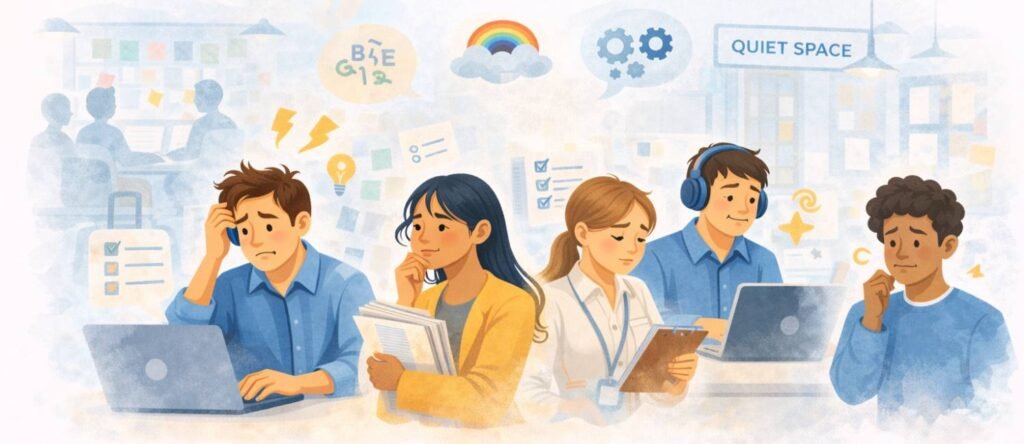
This week is Neurodiversity Celebration Week, a time dedicated to recognising and celebrating different ways of thinking and experiencing the world. In many organisations, conversations around neurodiversity are becoming more common, but there is still a misunderstanding that talented employees naturally thrive in any work environment.
In reality, this is not always the case. Some highly capable employees struggle in modern workplaces, not because they lack skills or motivation, but because the structure of many workplaces simply does not suit how their brains work.
Understanding neurodiversity helps explain why.
What neurodiversity means
Neurodiversity is the idea that people naturally think, process information, and interact with the world in different ways. These differences are part of normal human variation.
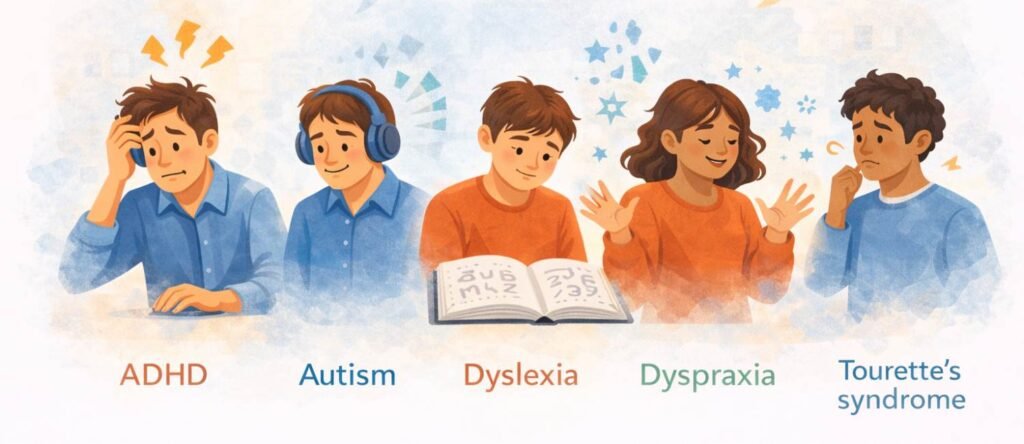
Some individuals are described as neurodivergent, meaning their brain processes information differently from what is often considered “typical”. This can include conditions such as:
- ADHD (Attention Deficit Hyperactivity Disorder)
- Autism
- Dyslexia
- Dyspraxia
- Tourette’s syndrome
Each of these affects people differently. Some individuals may find certain aspects of work more challenging, while at the same time bringing unique strengths and perspectives to their role.
Many neurodivergent employees are highly talented, creative, and innovative. However, modern workplace structures are often designed around one standard way of working, which can unintentionally create barriers.
The physical work environment
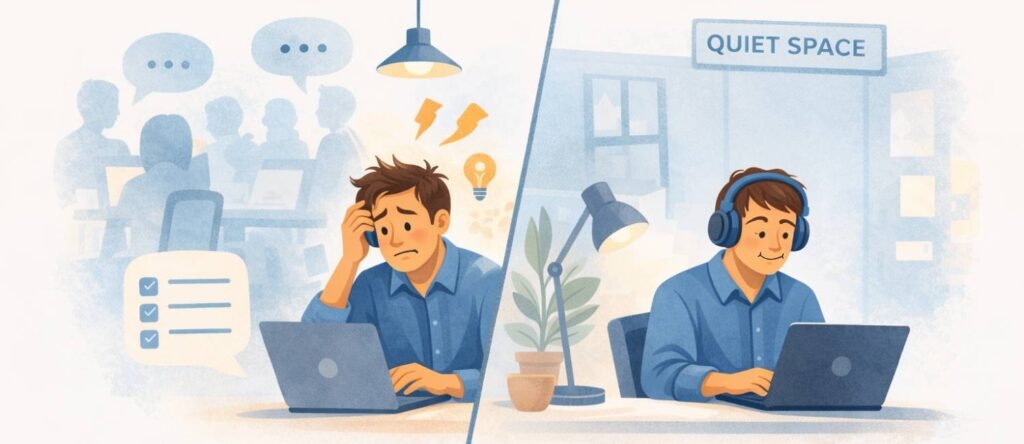
Many modern offices rely on open-plan spaces, constant collaboration, and frequent interruptions. While this works well for some people, it can be overwhelming for others.
For example, an employee with ADHD may find it difficult to concentrate when there are multiple conversations happening around them. Someone with autism might find bright lights, noise, or unpredictable interruptions distracting or stressful.
This does not mean they cannot do their job well. In fact, many neurodivergent employees perform exceptionally well when they are able to work in environments that allow them to focus.
Small adjustments, such as quiet spaces, flexible working arrangements, or noise-cancelling headphones, can make a significant difference.
Different communication styles
Many organisations expect employees to communicate in specific ways, such as making eye contact during meetings, engaging in small talk, or speaking confidently in group discussions.
However, neurodivergent employees may communicate differently.
For example:
- Someone with autism may prefer clear, direct communication rather than vague instructions.
- A person with ADHD might think quickly and speak impulsively, which can sometimes be misunderstood.
- Someone with dyslexia may prefer verbal explanations rather than large amounts of written information.
These differences are often mistaken for disengagement or lack of professionalism, when in reality they simply reflect different ways of processing information.
Feeling misunderstood
A talented employee might struggle with certain aspects of traditional workplace structures, such as rigid schedules, long meetings, or unclear instructions. At the same time, they may excel in other areas.
For instance:
- A designer with ADHD might generate innovative ideas and solve complex problems quickly, but struggle with repetitive administrative tasks.
- A software developer with autism may have exceptional attention to detail and deep focus, yet find social networking events uncomfortable.
- A marketing specialist with dyslexia may think creatively and communicate brilliantly verbally, but take longer when reviewing written documents.
In these situations, the challenge is not a lack of ability. Instead, it is a mismatch between workplace expectations and the individual’s working style.
Why awareness matters for employers

This is why awareness initiatives like Neurodiversity Celebration Week are important. They encourage organisations to recognise that not all employees work in the same way.
When employers understand neurodiversity, they can begin to look beyond traditional assumptions about productivity, communication, and professionalism.
Inclusive workplaces often benefit from:
- broader perspectives and creativity;
- improved problem-solving;
- stronger innovation;
- more engaged employees.
Supporting neurodivergent employees does not necessarily require large structural changes. In many cases, small adjustments and open conversations can help talented individuals perform at their best.
Supporting understanding in the workplace
Building a workplace that recognises different ways of thinking starts with awareness. Many managers want to support their teams but may not always feel confident about how to approach conversations around neurodiversity, mental health, or inclusion.
Training can play an important role in helping organisations build that confidence. It allows managers and employees to better understand how different experiences, communication styles, and working preferences can shape how people perform at work.
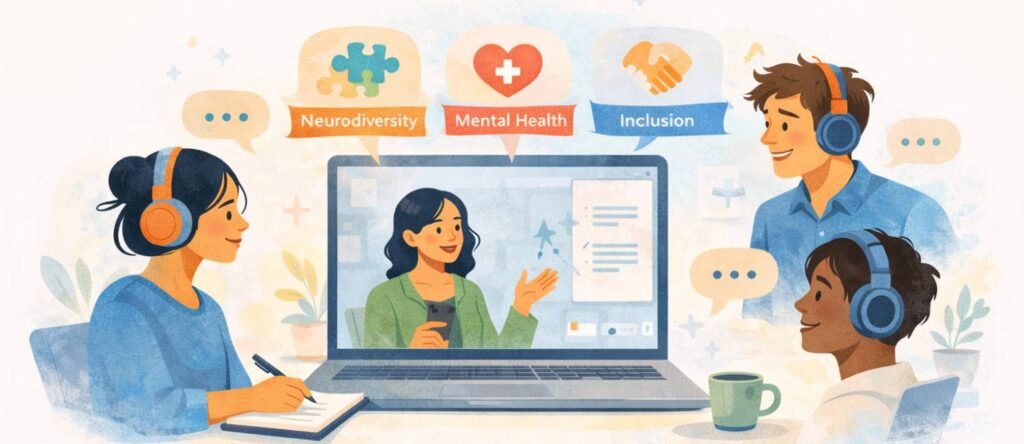
At HR Hub Plus, we offer a range of online training courses designed to help organisations create more inclusive and supportive workplaces, including:
- Neurodiversity Awareness;
- Autism Awareness;
- Disability Awareness and Inclusion;
- Equality, Diversity and Inclusion;
- Mental Health Awareness;
- Unconscious Bias for Managers and Employees.
These courses are designed to provide practical guidance that helps organisations understand different needs, reduce misunderstandings, and build workplaces where employees feel supported and valued.